Miami-Dade requires covered condominium, cooperative, and homeowners’ associations to register or renew every year. The next deadline is February 1, 2027.
If your association registered or renewed by February 1, 2026, plan to renew again before the 2027 deadline.
If it never registered or missed its renewal, complete the county’s online registration now instead of waiting.
The ordinance generally covers associations governed by Florida Statutes Chapters 718, 719, and 720. A voluntary neighborhood or advocacy organization may fall outside that requirement.
Does the draft tell the whole story?Connect operating costs, reserves, insurance, contracts, and planned projects before discussing the owner impact.
Do the reserve numbers match the work?Reconcile the reserve study, engineering priorities, current balances, and the timing of major repairs.
Can owners understand what changed?Prepare a plain-language explanation of the largest increases, decisions still open, and the timeline ahead.
THE LEADERSHIP LIBRARY
A little easier to find. A lot easier to use.
Find your topic, scan the summary, and open only the guidance you need.
OCTOBER 26, 2026 / PROPOSED RULE
Changing your reserve funding approach for 2027?
Check whether owners need to vote. DBPR’s October 22 proposal addresses changes between pooled and straight-line reserves. Comments close November 12, 2026. This is a proposal, not an adopted rule.
USI explains how convincing scams are changing payment verification and incident response. Start with the safeguards your board and manager can review together.
From BHA Associate Member USI Insurance Services · October 6, 2026
Lead with the decisions, not the full spreadsheet. Show what changed, why it changed, the owner impact, assumptions that could still move, and the next date that matters.
A simple onboarding file can prevent months of crossed wires. Include governing documents, the current budget, major contracts, insurance, open projects, meeting procedures, and the limits of board and manager authority.
What belongs in the file +
Declaration, articles, bylaws, rules, and current policies.
Budget, reserve plan, SIRS, insurance summary, and contracts.
Director certification and education records, due within 90 days of election.
A 60-day check-in for questions and committee assignments.
Log in from outside the management network. Check that budgets, financial reports, meeting notices, inspection reports, SIRS, and required disclosures are current, labeled clearly, and easy to find.
Track each building, inspection phase, responsible professional, agency submission, finding, repair deadline, funding path, and owner update. A shared view helps the board see what is moving and what is stuck.
From our members: BHA Associate Member M2E has published a clear, up-to-date guide to Florida's milestone inspection program. It walks boards through the Phase 1 and Phase 2 inspections, reporting deadlines, the connection to SIRS, and the 2025 changes under HB 913. Read it before your next engineering discussion so the board and manager start from the same facts.
Explain the safety purpose, affected areas, access changes, work hours, and the next seven days. Give residents one reliable place for updates and a separate path for medical or accessibility needs.
Plan the weekly update +
What finished this week.
What happens next week.
Where access, noise, water, or parking will change.
Who to contact and when the next update arrives.
06 / MONEY & RESERVES · Content updated
Explain reserves without losing the room.
Connect reserve costs and funding choices to the work your building needs.
Start with the component, remaining life, estimated cost, and consequence of delay. Then show today’s balance, the modeled need, the proposed funding method, and the decision timeline.
From our members: Reserve Advisors, a BHA Associate Member, shares six practical tips for presenting a reserve study. They include telling the story before showing the numbers, translating “remaining useful life” into planning time, and keeping the conversation on options instead of sticker shock.
Give every bidder the same scope, schedule, permit, access, warranty, and closeout expectations. Compare license, insurance, references, staffing, exclusions, and change-order terms, not price alone. In Florida, condo contracts over 5% of the association’s total annual budget, including reserves, generally require competitive bids. The lowest bid does not have to win.
From our members: Siegfried Rivera, a BHA Associate Member, explains how bid rigging, overbilling, and phantom vendors show up in condo construction projects. It also covers the simple controls that protect your association: multiple bids, shared review, and legal sign-off before the contract is signed.
Confirm emergency spending authority, vendor priority, keys, fuel, and records while it’s calm, so the decisions feel “boring” when the storm is close.
Track repeated questions for one month. If three people are confused, more probably are. Answer the pattern in the next update, board packet, or FAQ instead of solving the same problem one email at a time.
No resources match that search yet. Try a broader word or choose All resources.
Better, in good company.
LEADERSHIP IS BETTER TOGETHER
You do not have to lead alone.
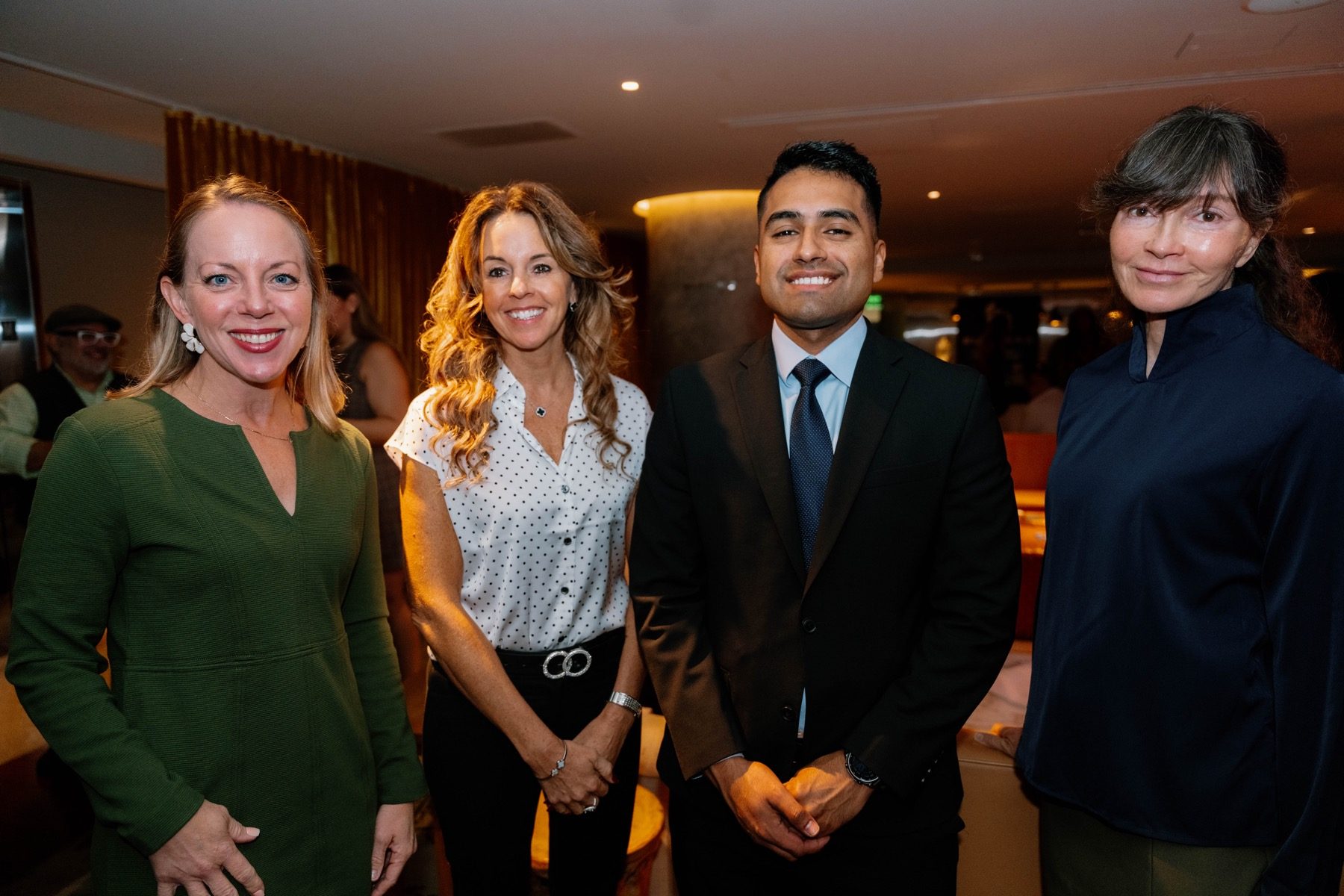
BHA brings condo leaders together every month to compare notes, hear from experts, and talk through the issues affecting their communities. Property managers can also stay connected between events through our PM WhatsApp chat.
Educational information only. It is not legal, engineering, accounting, insurance, or emergency advice. Confirm requirements for your association and building with the appropriate professionals and agencies.
YOU SET THE NEXT AGENDA
What should BHA cover in the next briefing?
Choose the question that would help your building most. Your vote opens in email, ready to send to BHA.