The growing impact of illegal and noncompliant short-term rentals is one issue BHA has continued to raise on behalf of Brickell’s residents and condominium communities.
For condominium residents, short-term rental activity is not simply a question of tourism or property use. When units operate without the proper authorization or oversight, the effects can be felt throughout a building. Residents, condominium board members and property managers have reported concerns involving noise, large parties, unknown guests entering residential properties, overcrowding, security, trash, property damage and increased pressure on elevators and common areas.
These situations may also involve zoning, building, fire-safety, licensing and insurance requirements. Because responsibility is divided among several government agencies, residents can find themselves contacting one department after another without a clear understanding of who is responsible for coordinating the response.
A complicated legal and enforcement history
The City of Miami’s ability to regulate short-term rentals has been shaped by Florida law and years of litigation.
Beginning around 2016 or 2017, Airbnb challenged the City over its treatment of short-term rentals in T3 transect zones, which generally include single-family residential areas. The City ultimately received a favorable ruling from Florida’s Third District Court of Appeal that clarified and protected its authority regarding T3 areas.
The litigation remained open for years, and the City held additional action in abeyance while the case continued. Airbnb eventually stepped away from the lawsuit, but the long legal process affected how quickly the City could move forward.
City officials have now indicated that a registration program may be legally possible as long as it does not create new restrictions prohibiting short-term rentals where they are already permitted or attempt to regulate rental prices. The City is reviewing registry programs adopted elsewhere as it considers a local framework.
For Brickell, where many concerns involve units in high-rise condominium buildings located in T4, T5 and T6 transect zones, the legal and enforcement questions can differ from those involving single-family neighborhoods. This makes clear coordination among City departments even more important.
BHA brings the issue into public view
In February 2025, BHA published an article describing how short-term rentals were affecting residents’ daily routines, peace and sense of security. The article outlined concerns reported by the community and encouraged residents to document and report suspected violations to City of Miami Code Compliance.
At that time, BHA also shared that it was working with the office of then-City Commissioner Joe Carollo to help ensure that these quality-of-life concerns received attention.
But BHA’s advocacy was not limited to public articles.
Recognizing that short-term rental enforcement can involve multiple government agencies, BHA President Ernesto Cuesta joined Miami Historic East Shenandoah Homeowners Association President Yvonne Bayona in requesting a City task force. The goal was to bring the appropriate departments together rather than continue requiring residents and neighborhood organizations to navigate a complicated enforcement process one agency at a time.
In April 2025, Commissioner Carollo’s chief of staff forwarded the community’s joint request to senior City officials and representatives from several relevant departments. That communication placed the request before City leadership and reinforced the need for a coordinated response.
Following the election and subsequent changes in City leadership, the issue, unsurprisingly, persisted. Residents continued reporting concerns, reinforcing the need for sustained attention and coordinated action.
More recently, news coverage of serious short-term rental problems in a Brickell condominium brought renewed public attention to concerns residents have raised for years. The reporting highlighted the need for stronger tracking, coordination and enforcement, particularly in buildings experiencing repeat violations.
Renewing the call at the BHA Breakfast Briefing
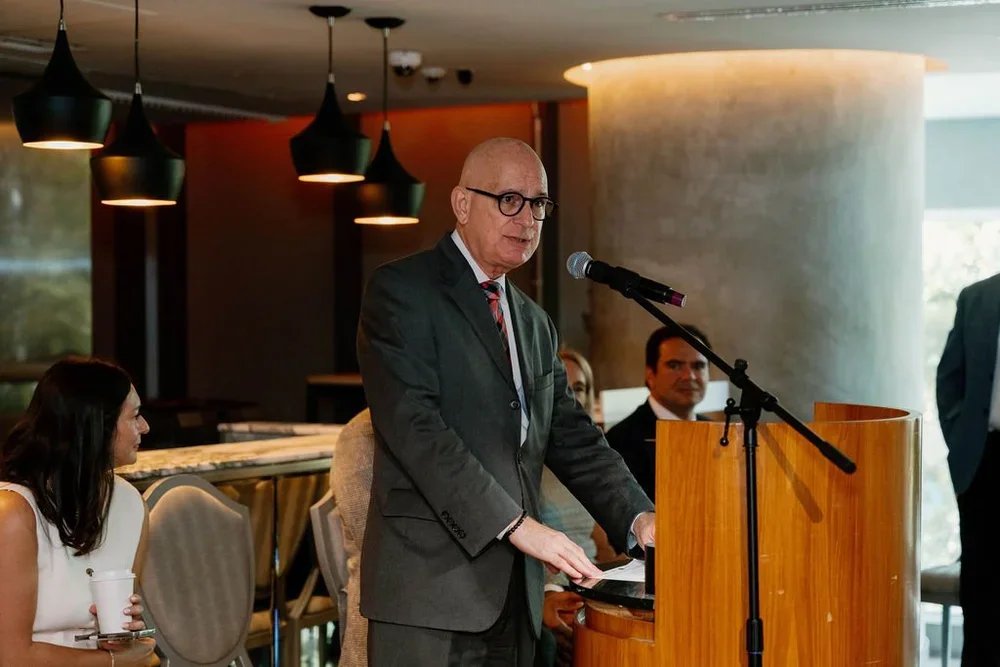
BHA raised the issue again during its August 25, 2026 Breakfast Briefing.
The briefing brought residents, condominium board members, property managers, business members, community partners and public officials together to discuss the priorities affecting daily life in Brickell. Short-term rentals were one of the central neighborhood concerns raised during the program.
Residents specifically asked where they could turn when suspected illegal rental activity continued without an effective resolution.
BHA used the opportunity to advocate publicly and through direct conversations with government leaders for meaningful change. The message was clear: a problem involving multiple City departments requires a coordinated response.
City Commission approves a path forward
That long-standing request moved forward during the September 10 City Commission meeting. Commissioner Damian Pardo sponsored Item RE.9, which called for a closer examination of short-term rental activity and violations throughout the City of Miami. The initiative included quarterly information concerning condominium buildings with repeat violations and a legal review of registration programs and approaches used by other municipalities. During the City Commission discussion, City Manager James Reyes recommended establishing a formal multidisciplinary task force. He explained that the City’s recent work on well-documented short-term rental problems demonstrated the need to bring together the different departments involved in enforcement.
The task force is expected to include Code Compliance, Miami Police, Miami Fire-Rescue, the City Attorney’s Office, and other departments involved in short-term rental oversight and enforcement.
As the City Manager explained during the meeting, the City is more effective when these departments work together.
The Commission approved RE.9 with amendments directing the City Manager to establish the task force within 30 days, allow it to work for 60 days and then report its findings and recommendations back to the City Commission.
Looking ahead
For BHA, this is an encouraging and meaningful community win.
BHA thanks Commissioner Pardo for sponsoring and advancing the item, City Manager Reyes for recommending a multidisciplinary approach, and Commissioners Escalona and Rosado for listening to our concerns, supporting the item, and advocating for our community. We also recognize the residents, condominium leaders, property managers, and neighborhood partners who continued documenting concerns, sharing their experiences, and calling for action.
The task force will not resolve every short-term rental concern overnight. However, it can create the structure needed for clearer responsibilities, better information-sharing, stronger tracking of repeat violations and a more coordinated response.